Lincoln couple spots coyote in their backyard, sightings up this winter
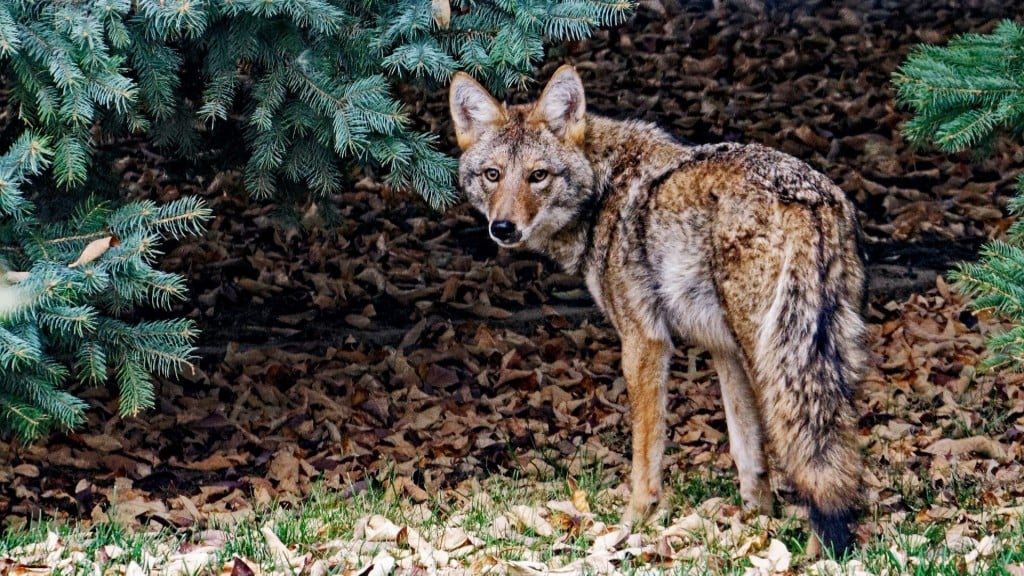
Wild animals are preparing for the cold along with humans, gathering food and hunting, so locals may see one or two near them in the weeks to come. This Lincoln couple caught a glimpse of one in their backyard.
“I was standing here at the sink and looking out to the backyard and noticed that there was an animal in our garden and I thought it was way too big to be a cat,” said Peggy Stark, who saw a coyote.
She and her husband, Lorvey, live near Holmes Lake and he snapped this breathtaking photo and sent it to Channel 8.
“It appeared back on our lawn here and then went into the in between the evergreens,” said Lorvey.
Steve Beal with Lincoln Animal Control says this is the time of year animals like deer, coyotes and more are mating, so they move around more. He says they also are being pushed out of their natural habitat due to hunting season.
“Calls do go up a little bit, this time of the year, with coyote calls, in the last year we’ve have roughly 85 calls where someone has seen or encountered a coyote in some way, shape or form,” said Beal.
He adds Lincoln locals can expect to see more in the Capitol City.
“It’s very unusual for us to see a coyote here in our neighborhood because I think that around Holmes Park, maybe this one was just looking for food,” said Lorvey.
Peggy added although she was mystified at a coyote being in her yard, she said it does pose a danger for small cats and dogs.
“I was a little concerned to see a wild animal like that in the neighborhood and in our little backyard which isn’t exactly on the path of that wild animals around here take,” she said.
Beal says although it is okay to have bird feeders and feed small critters, it can attract wild animals. He suggests keeping an eye on your pet when outdoors.
“Don’t set your pet’s food outside and leave it out there,” adds Beal. “It also becomes a food source for wildlife and they will get into that and then you get kind of alarmed.”
Lincoln Animal Control says if you have any issues with wildlife, don’t try to handle them on your own. Give them a call and they’ll be there to help, call (402) 441-7900.