NCAA opens door for college athletes to profit from name, image and likeness
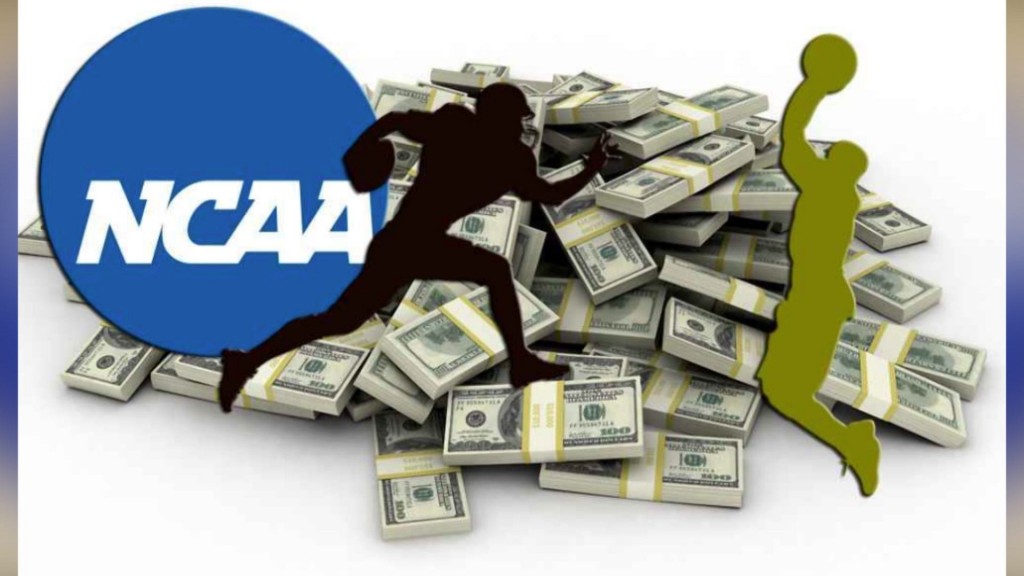
With a unanimous decision from the NCAA Tuesday morning, collegiate athletes may be able to profit from their name, image and likeness.
The board wants to instill that all changes should make sure student–athletes have the same opportunities to make money as all other students, maintain the priorities of education and the collegiate experience, and ensure that rules are “transparent, focused and enforceable” and do not create a competitive imbalance.
“The goal is to do what’s right by our student athletes. We share the interest in a system that works for the, that shares their best interest,” Big East Commissioner Val Ackerman said.
Many professional athletes showing their support for the decision on twitter, including NBA star Lebron James saying, “It’s a beautiful day for all college athletes going forward from this day on!”
The decision comes after the state of California put a bill in place that would make it illegal for universities to punish athletes for accepting endorsement money.
The president of the NCAA says the decision to move forward with this approval is an adjustment to give student athletes the same opportunity to profit as a regular student would.
“The evolution of social media and how student athletes use that, the opportunities for them to be more entrepreneur, to be able to participate in things that the rest of the student body participates in. Those all became important,” Mark Emmert said.
The approval of this rule still has a number of regulations that a NCAA work force will continue to evaluate.
Including how the athletes will be able profit without interfering with the college itself.
The board acknowledges the fact the NCAA is not a pay for play program like the NFL or NBA and wants to uphold that system.
“We are unique, we recruit, we don’t draft. So, there’s a lot of different things we have to be sensitive to but at the end of the day, compliance first resides on the campus,” Ohio State Athletic Director Gene Smith said.
The board will re–evaluate any new discoveries in April and hopes to have each division implementing new rules by January 2021.