Lincoln community assists in helping UNL grad student research fox behavior
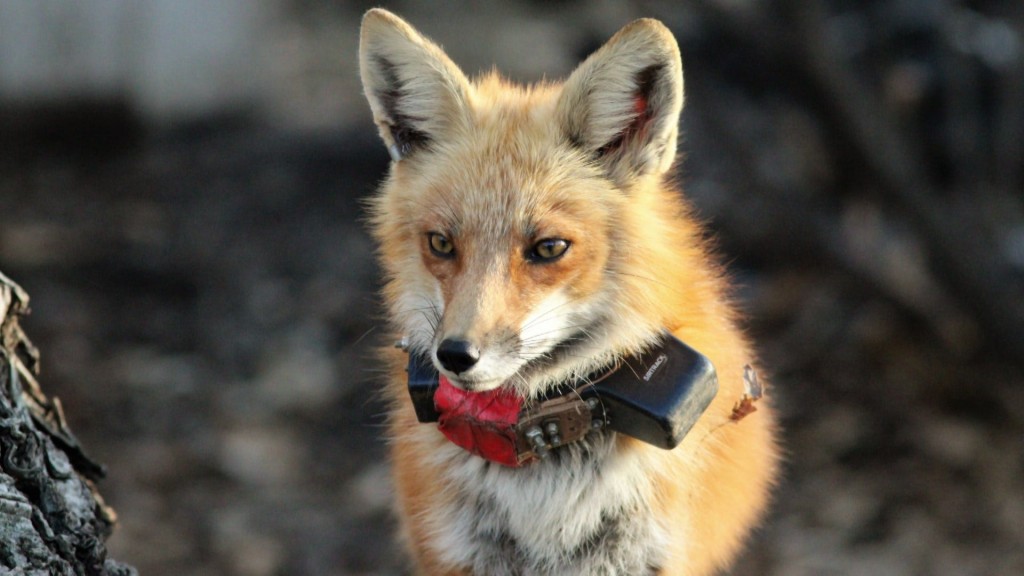
Kyle Dougherty, a graduate student at UNL, has been studying Lincoln’s seemingly growing fox population for over a year now.
He says when he was just starting out back in the winter of 2018, so many people reached out to him about fox sightings that he decided to create a website to collect and harness the data.
“When I started doing fox research, we had a lot of people telling us where they see foxes so essentially I decided that we needed to start recording those and it actually turned into usable data to use,” said Dougherty.
Dougherty started the Lincoln Fox Project, a website accessible by anyone.
People can post pictures of foxes they see in Lincoln.
After the photos are confirmed as a fox sighting, a data point is added in the form of a marker on a map of the city.
“It’s a great way to reach out to people and keep people involved in science,” said Dougherty.
Lincoln Animal Control says Doughtery’s work has been a great help to them.
“They’ve been helpful in terms of helping us keep tabs on where all of these foxes are in Lincoln,” said Steve Beal.
Dougherty uses box traps with electronic monitors, baited with rancid chicken necks.
When a trap closes, he is notified, and he immediate goes to check it out.
He takes blood samples and tags the animals ear, he then releases it unharmed.
One thing he is checking for are diseases that can be spread to pets and humans.
“There are some disease considerations that we are looking at. We’re not so concerned about foxes posing a disease risk, but kind of using those foxes as a tool to monitor what diseases are out there in the environment,” said Dougherty.
So far, Dougherty has successfully trapped 30 foxes.
He works closely with animal control, alerting them if any sick animals are found.
“We have not yet caught, trapped or picked up a fox that tested positive for rabies in Lincoln,” said Beal.
If animal control gets a tip about a fox den, they call Dougherty to have him set up some of his traps for research.
“We will call them up and say, ‘hey, we’re aware of a den of foxes, a couple of adults and five or six kits, over in such and such area,” said Beal.
Beal says the foxes don’t pose a public health risk, but he wants people to call in if they see anything out of the ordinary.
“If it’s a sick or injured animal, we want to know about it, we want to go out and deal with it,” said Beal.
So far to date, 189 community members have made 376 fox observations.
If you’d like to make one yourself and help with Dougherty’s research, head to www.inaturalist.org/projects/lincoln-fox-project or go to its Facebook page at Lincoln Fox Project.