Flooding not linked to mosquito population
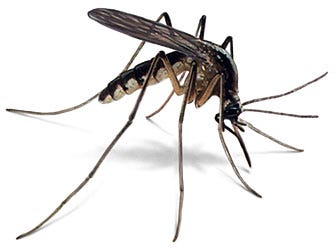
Rain and flooding has no detectable connection to the mosquito population we are expecting this summer.
Mosquito season is defined by any time of the year that has the combination of 70 plus degree weather and a high humidity index. Mosquito season will peak around August and September.
“More rain and flooding doesn’t necessarily mean there will be more disease. It’s just something that we need to look out for and regardless, we want to protect ourselves against mosquitoes,” UNL Entomologist Jody Green said.
For the first stages (Egg, Larva, Pupa) before reaching the adult stage, mosquitoes are aquatic and prefer standing water. Locals are encouraged to dump any standing water around their property every 3 days. If there is any standing water you cannot dump, apply a Bt Mosquito Dunk to the water source.
Entomologists recommend that if you do go outside, wear lighter colored and loose clothing. Mosquitoes are attracted to dark clothing and tight clothing may allow the mosquito to breach through the linen to the skin.
It is highly recommended to apply repellant that has an average of 30 percent DEET and to spray the repellent on frequently. A more natural mosquito repellent is oil of the lemon eucalyptus tree.
It is best to keep your outdoor space clear of any garbage or debris and to keep vegetation trimmed.
For times of the day, near sunset is the worst time to be out if you want to avoid biting.
“A lot of the biting is gonna occur right when the sun is going down. So right now it’s around 8 or 9 o’clock is when the bugs come out, so you wanna make sure you’ve got your repellent on by then.”
Don’t panic or let fear guide guide you, just practice prevention by wearing repellents and avoiding mosquitoes.
There are around 50 breeds of mosquito in Nebraska. Females mosquitoes are the only ones to bite, and males are actually really good pollinators, just like bees.