The impact of flooding on local landfills
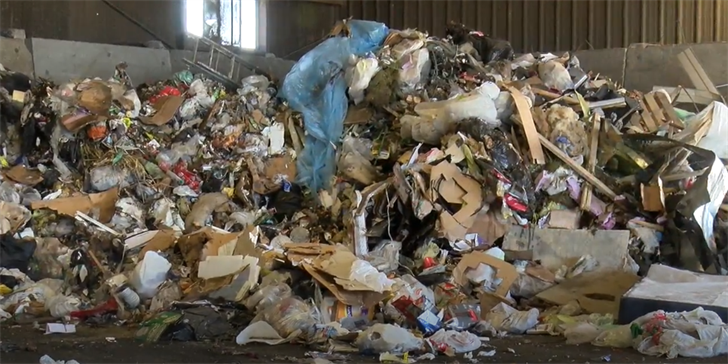
Despite overflowing dumpsters lining the streets of flood-impacted towns, local sand fills said they didn’t see a huge surge of debris.
“We really didn’t see a big measurable influx of additional waste,” said City of Grand Island solid waste superintendent, Jeff Wattier.
Typically, the Grand Island landfill transfer station sees about 150 to 200 tons of trash per day. This number increasing only slightly after Nebraska’s floods.
“I would say maybe a five to ten percent increase in tonnage was all that we saw and it was spread out over several weeks,” said Wattier.
This same small impact being felt by most landfills across the state, according to the Department of Environmental Quality.
“In 2018, our municipal landfills across the state, and there are 22 of them in total, had received somewhere, a little over 1.3 million cubic yards of waste,” said DEQ land management division administrator, David Haldeman. “We would anticipate seeing a slight uptick in that but nothing that would realty be noticeable over a period of time.”
These experts said there’s a couple reasons for that.
“Not everybody can remove and demolish the stuff from their homes that needs to be thrown away all at once,” said Wattier.
“There may be things like large appliances that would be handled by recycling because of the metal content,” said Haldeman. “We have vegetative debris that would go to another location, construction debris could go to another location and then the municipal landfills will just receive the typical household waste that you’d have.”
Despite these steps, there were some landfills facing challenges.
“We did have at least one or two landfills that were generating too much what we would call leachate, which is any water that comes in contact with the waste, so they need to manage or plan for that amount of water that they were receiving and we had at least one transfer station where they had some capacity issues that they had to resolve.”
Courtesy: KHGI