Beekeepers rebuild hives after millions of bees die during harsh winter and historic flooding
The exceptionally cold and snowy winter, followed by historic flooding, has been difficult on farmers and ranchers across the region. Beekeepers are also trying to get back on their feet after facing the brutality of nature.
Each year, a local bee farm provides millions of bees to hundreds of fellow beekeepers around the area, but this year is a bit different – bees were dying off in droves.
“We started getting calls in January that people’s hives were dying and they were going to be needing bees,” said Warren Nelson, beekeeper and owner of Valhalla Bee Farm in Lincoln.
Nelson has been interested in honey bees since he was just a boy. Decades later, he and his family run Valhalla Bee Farm based in Lincoln.
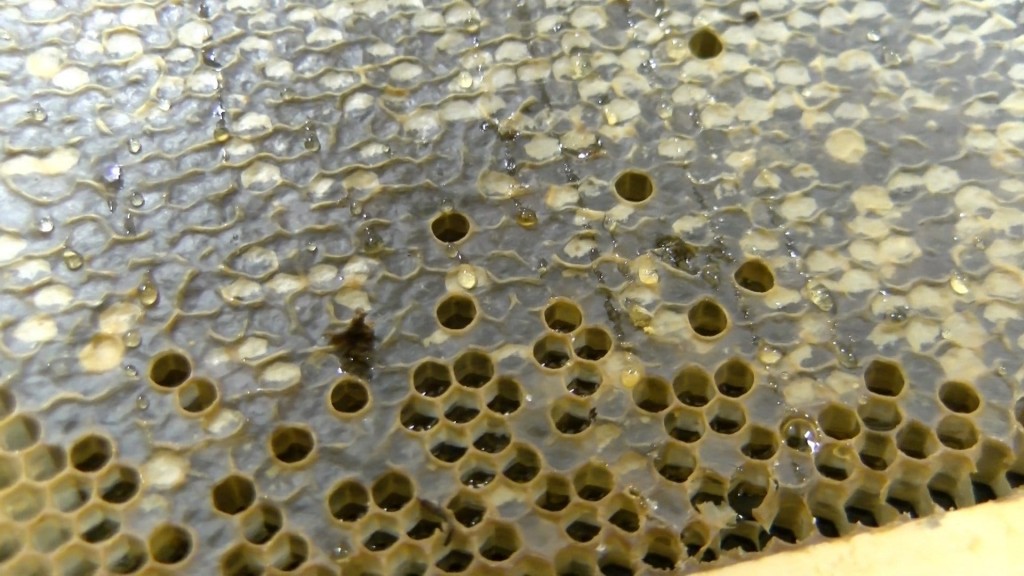
The seemingly endless winter was not easy. Honey bees are sensitive to the cold, so losing colonies during the winter is normal, but this past season was an exception.
“Not this bad. Worst one that I’ve encountered, yes,” he said.
Hives are crowded places to live.
“During the summertime when they are in full force there’s going to be about 60,000 bees in a hive,” Nelson said.
The Nelson family had 25 bee hives of their own heading into the winter. At a population of about 60,000 bees each, they were responsible for over 1.5 million of the little black and yellow critters. By the time winter had finished, they had lost 75 per cent of their population…that’s over 1.1 million bees. The national average for winter hive loss is 20%-30%
They’re not alone in suffering tremendous losses. Honey bees across the region have been decimated.
“There have been significant bee colony losses across the United States. With the flooding that hit in the spring in Nebraska and Iowa and South Dakota there were quite a few hives that were lost in the flooding as well,” Nelson said.
While the numbers have been large, it’s not all bad news. They’ll start receiving shipments of the pollinators next week for four weeks.
Over 400 packages are expected in the first shipment, and each one housing around 9,000 bees, they’re arriving just in time for beekeepers to start over.
While everyone will end up back on their feet, it won’t be until next summer that hives will be viable for production.
Honey bees are crucial for our ecosystem as they pollinate hundreds of different plant species. Nelson said that if all honey bees were to vanish, about 90 different species of plants that humans eat would no longer be available.
Many people fear bees because of their stings. Nelson says they’re nothing to be afraid of, and if you leave them alone, they’ll leave you alone.
“If they’re out in their backyard and there’s a couple honey bees out there buzzing around, just stand back and watch them. They’re extremely fascinating to watch,” Nelson said.