Changes to standards around carbon emissions spark concern for rural communities
LINCOLN, Neb. (KLKN) – For years, environmentalists have supported a move towards electric vehicles for cleaner air, but debate is sparking around their efforts due to recent changes around the standards for greenhouse emissions.
On Feb. 12, the Trump administration and the Environmental Protection Agency announced they would be eliminating standards set by the Endangerment Findings.
Some experts say this can have dire effects for rural Nebraska areas.
Laura Priest is a policy advisor for the Center for Rural Affairs and spent her career advocating for the environment.
On Mar. 31 she released an article about what this act of de-regulation may do.
“Greenhouse gases are things like Carbon, Methane, Nitrous Oxide; They’re released into the atmosphere from agricultural operations, industrial processes, motor vehicles, all of those sectors,” explains Priest.
“I would say the reason to be concerned with them is that when they are released in the atmosphere, they heat the atmosphere, they trap the heat inside.”
She argues that heat makes it difficult for crops to grow. In an agricultural-driven community like the Cornhusker State, this could be dire due to a loss of crops.
Previous to these changes, the 2009 Greenhouse Gas Endangerment Finding made sure that these gases were monitored and standards around their emissions were upheld by the EPA to keep them under control.
The EPA administrator, Lee Zeldin, released a statement explaining that the decision to reverse those standards will save America money.
“The Endangerment Finding has been the source of 16 years of consumer choice restrictions and trillions of dollars in hidden costs for Americans,” said Zeldin.
Adding, “I am proud to deliver the single largest deregulatory action in U.S. history on behalf of American taxpayers and consumers.”
This ruling is said to save Americans over 2,400 dollars per vehicle, but many clean energy advocates worry about the long-term consequences to rural areas.
“If you roll back those standards, not only do the emissions continue or rise, but you also lose fuel economy,” said Priest.
“This also set precedent to regulate power plants and regulate manufacturing facilities, and everything moves via fuel. I wonder what this could also do to energy costs in rural areas, especially at a time when affordability is front and center on almost every conversation.”
She says another reason rural communities will feel it the most is because they have higher travel requirements.
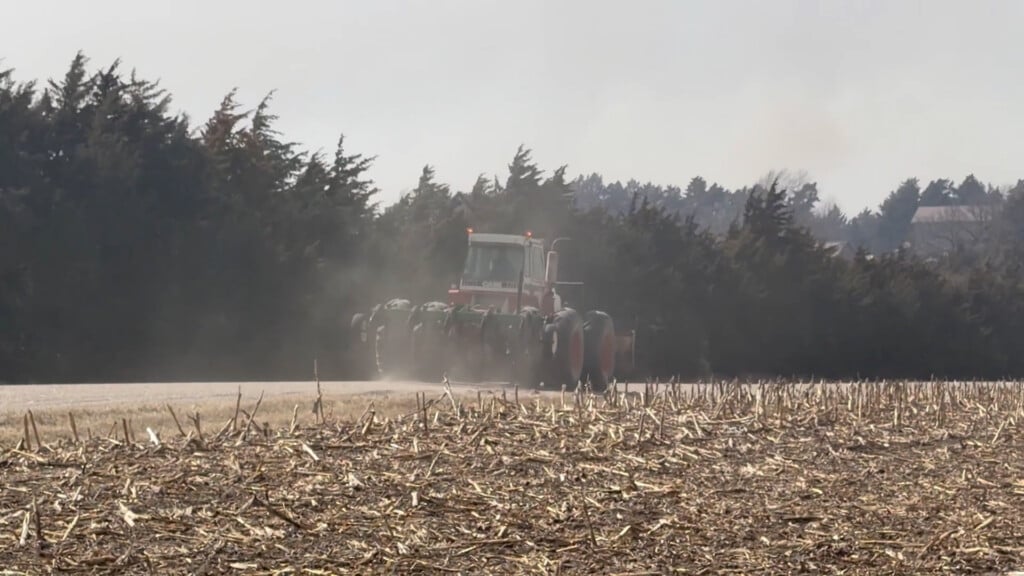
Nebraska farmer Paula Peterson says she’s not too concerned because some of the work that she does is helping filter these gases.
“Raising the corn and soybeans that we do here is actually a benefit to the ecosystem, they are the best recyclers of Carbon Dioxide, one of the best filters we can use,” said Peterson.
She adds that due to this natural filtration system, she would imagine it would take generations to feel the consequences of those gases.