How to prevent three common problems with your vehicle caused by extreme cold
Source: Triple AAA
Frigid Temperatures Will Impact Motorists
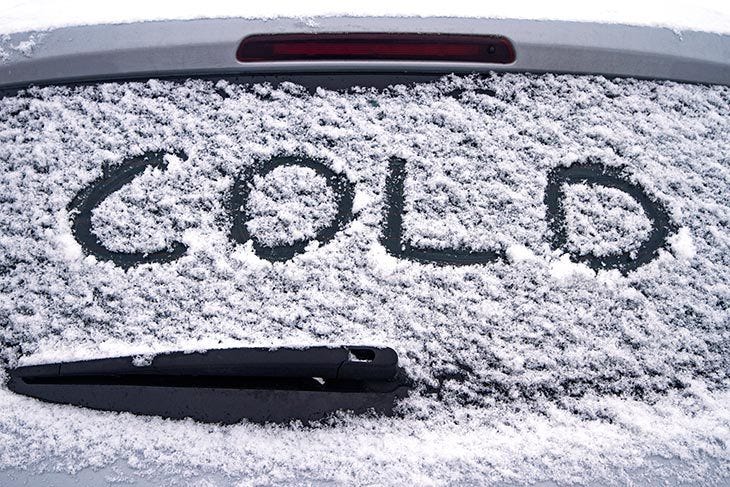
This week’s arctic blast will impact many motorists across the Midwest, says AAA. The three most common cold-weather problems AAA expects to see include weak batteries, flat tires and fuel problems. All three problems can be avoided with proper maintenance. Motorists may avoid potential tire problems by making certain all tires are properly inflated. As the temperature drops, pressure in the tires drop, as well. Many tire blowouts occur as a result of driving on underinflated tires. Keeping the fuel tank full will help to prevent condensation from freezing in the empty part of the gas tank. Ice in the fuel lines can create problems with starting the vehicle. Plus, having a full fuel tank will help to ensure the vehicle keeps running should you become stranded or stuck in traffic. If your vehicle’s battery is three years old or older, you may experience difficulty starting the vehicle when frigid temperatures prevail, says AAA. As the temperature drops, so will the cold-cranking power of your battery. Signs of a failing battery include dim headlights or problems with electrical components in your vehicle, slow engine crank, clicking noise when you turn the ignition, or a dashboard warning light indicating battery problem. If you are experiencing any of these issues, visit a trusted mechanic to request a quick check of your vehicle’s battery using a battery tester. It will help to determine if it’s time to have your battery replaced.
AAA’s Advice – Always Travel With Emergency Car Kit
With hazardous weather conditions prevailing across most of the Midwest, AAA advises motorists to stay home, if possible, until the conditions improve. If you must travel, always travel with a cell phone and charger, and a winter emergency kit. Should you become stranded and find yourself in an unsafe situation, dial *55 on your cell phone to contact the Highway Helpline. Your emergency kit should include items to help prevent frostbite and hypothermia. Items include heavy gloves or mittens, boots, warm socks, stocking cap or ski mask, warm coat, and heavy blankets or a thermal sleeping bag. If needed, use car mats, newspapers or a road atlas, placed between the layers of clothing, to help retain body heat. AAA says that every car in your family should include these items, including those driven by teens. In addition, your kit should include jumper cables with safety goggles, ice scraper and brush, a metal can filled with candles and matches, flashlight, a container of sand or rock salt for tire traction, non-perishable food items, first aid kit, small shovel, and flares or reflective triangle. If you see someone stranded and are unable to render assistance, call *55 when it is safe to do so and report their location and vehicle description. It is typically best to stay with your vehicle if you get stranded. If the engine can be started, run the engine to stay warm, but make certain the exhaust pipe is snow-free.
AAA says MOVE OVER for First-Responders and Stranded Motorists
Nebraska’s move over law requires motorists to move over and change lanes to give safe clearance to first-responders providing assistance on any multi-lane road. First-responders include tow truck operators, law enforcement officers, DOT personnel, fire and rescue personnel, and utility workers. Failure to move over puts all roadway users at risk and may result in a hefty fine. Even though it is not required by law, AAA recommends that you do the same for stranded motorists. Moving over one lane will help to provide them with an extra margin of safety, especially if they are performing emergency repairs on their vehicle. Help keep the roadways safe for all highway users.