Nebraska wildlife not severely impacted by floods, blizzard, experts say
Nebraska’s wildlife seems to have fared well overall in the wake of March’s blizzard and catastrophic flooding.
The Nebraska Game and Parks Commission says while some individual animals likely died, some new habitat to benefit wildlife has been created. NGPC says the full impact of the blizzard and flood, in many cases, won’t be known for some time.
NGPC says there likely were not many upland gamebird death because of the flooding, which occurred prior to the nesting season, as these birds are mobile and likely fled the rising water. Also, flooding likely didn’t impact waterfowl negatively, but instead created habitat for foraging spring migrators.
Some semi-aquatic furbearers, such as mink, muskrat, beaver and river otters, may have drown or been killed when dens were blocked or destroyed. Beaver dams and lodges likely were blown out by floodwater and debris. The long-term outlook may be good, as surge flooding creates new channels, sloughs, and backwaters that will provide new habitat.
NGPC says, in general, floods likely are beneficial to ecosystems and species in the long-term. The March blizzard and flooding produced a tremendous amount of wetland habitat, which would benefit millions of migratory birds. Some birds, especially some early-arriving insectivores likely perished in the blizzard, but most cold-sensitive species do not arrive until the latter part of April.
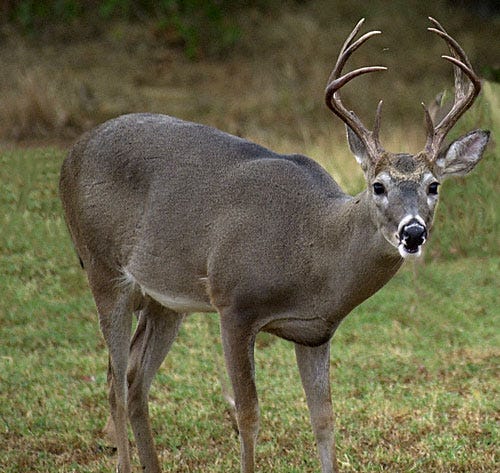
There have been dead deer observed after the blizzard; diet, malnutrition and disease seeming to contribute to the loss, NGPC says. However, good numbers of deer still are being seen in many areas. No losses of bighorn sheep, elk, antelope or turkey have been reported.
While individual animals may have been impacted, most species were likely not affected at the population level. For the most part, flowers were not blooming yet, most migrant species were not in Nebraska, and birds were not nesting during the time of increased precipitation.
Some benefits include the increase in connectivity of waterways, scouring of invasive vegetation, and aggregation of sandbars.