‘Serious consequences’: UNL professor addresses concerns of potential regional conflict in Middle East
LINCOLN, Neb. (KLKN) – The Middle East is facing uncertain times as violence spreads beyond borders.
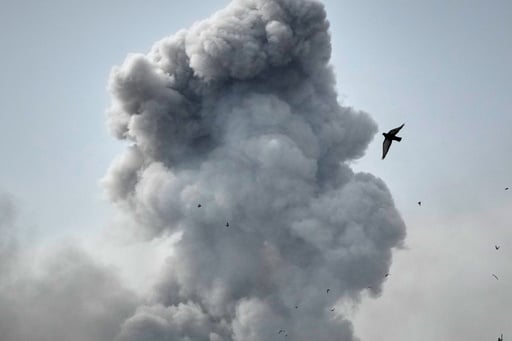
After the United States and Israel launched a joint attack on Iran, the retaliation has escalated.
The conflict has been building for years, but this time it’s different.
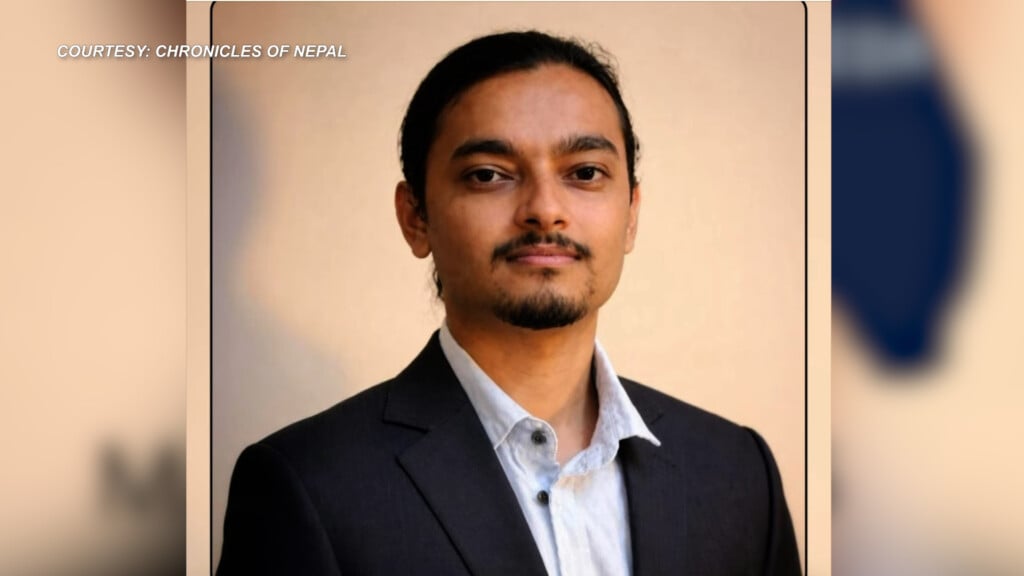
Ari Kohen is a political science professor at the University of Nebraska-Lincoln and has been closely monitoring developments in the Middle East.
He said one of the key shifts over the past weekend has been Iran’s response.
Iran’s foreign minister said the country is allowed to defend itself.
But those retaliatory strikes have now hit Saudi Arabia, Qatar, Jordan, Bahrain and more.
“There is a huge concern that this could escalate into a broader regional conflict, and that is obviously going to be so much harder to keep a lid on,” Kohen said. “It could have much more far-reaching and serious consequences, especially for citizens in these potentially affected countries.”
Now that Iran’s Supreme Leader Ayatollah is dead, it also means a regime change for the country.
Whoever takes that role could play a big part in what comes next.
One of the biggest questions Americans have is how long this will last.
Kohen said that would be the most pressing concern for troops who could be sent overseas.
“The moment you start putting people on the ground, not only of course are you putting people in harm’s way, but you seem to be committing far more than the four weeks or whatever that you might have said initially,” he said. “And once you put that on the table, it’s not clear what the withdrawal time would look like, how we would judge success.”
Kohen said there are many unknowns with the situation as things change by the hour.
“We find ourselves in a tough ‘wait and see’ kind of situation,” he said.