Tons of sand deposited from historic flooding decimates farmland, leaves farmers with few options
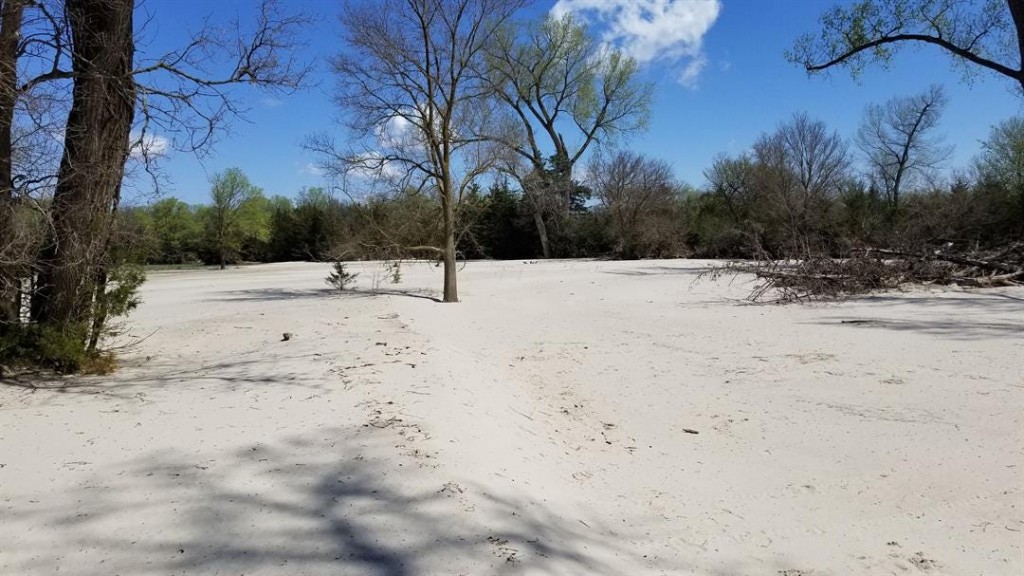
For communities in central and eastern Nebraska settled along rivers, fertile farmland has been decimated after the historic March flooding. A month later, residents are starting to go down the long list of items on the path to recovery.
“This is vastly worse than anything else we have ever had. Well it is just disastrous,” said Rod Ditter, a multi-generational farmer of the Genoa area.
In Nance County and other rural parts of rural Nebraska, the clean up from the historic flooding is still under way. In many locations, countless tons of sand has been deposited by the flood waters, turning the once fertile land into beaches without an ocean.
Many farmers, like Rod Nelson, had to evacuate their homes because of the fast-rising waters. Nelson has a levee right in his backyard. When he came back, the levee had breached and left a gigantic hole.
Measuring about 100 feet long, 130 feet wide, and at least 25 feet deep, the divot is a massive headache. The waters have since receded but landowners are struggling to figure out how they will fill these craters.
Two possible solutions only leave two additional problems. One solution is filling the hole with river sand, but that will leave it infertile as nothing can grow in it. Another option is to take fertile dirt from elsewhere and fill the holes, but that leaves them with another hole that has to be filled.
Others, such as Rod Ditter, have land that may never be able to be used again.
“Basically on this ground you can’t do anything with it,” Ditter said. “I was hoping to have some fences left and stuff but turns out we have no fences left down here.”
For Ditter, lifetimes of memories are now buried. Useless now, what used to be open field for grazing cattle is nothing but a wasteland buried under four to five feet of sand. Where there isn’t sand, the river carved its own path, scarring the landscape.
“We have had holes washed in but nothing holes like washed in like this time. You can drop three to four semis in some of these holes,” Ditter said.
Standing in what is now virtually a desert, rod can’t help but see ghost images of the past when he and this land was in its prime. He wonders what’s next and what will future generations will have left for them.
“It’s just really kind of heart breaking, after you lived here all your life and see this…because you see it the way it use to be, you know how it was and now its ruined,” Ditter said.
Several bodies of water surround the Genoa region. Breaches in levees, combined with rivers overflowing their banks, devastated the land. The cleanup will take years and cost millions of dollars.
Nance County estimates the damage to its roads and bridges will top $8 million. They’ll get some help from FEMA, but will still be left responsible for up to $2 million in repair. It may be as long as five years before FEMA’s money is available. Government officials still have to come out and inspect the land to determine what is eligible for assistance, where sand can be placed, and if there is any contamination to ground water.
The problem, farmers say, is that FEMA might not make out there for another two months. That’s time they don’t have as they need to get their fall crops in the ground soon.
What’s possibly a once-in-a-generation flood; the memory of the aftermath will stay with locals for decades. However, residents are afraid of being forgotten elsewhere and want to make sure their story continues to be told.