UNL students help Nebraska town discuss relocation after March flooding
The village of Winslow, located in Dodge County, reached out to UNL over the summer, asking their Community and Regional Planning Program, part of the College of Architecture, for help.
After the march flooding, nearly all of the buildings in the town were deemed uninhabitable, leaving most of the village homeless.
“Winslow has been here for years and years and years and every year we have a little bit of a flood, but this year was a much bigger flood. its going to get worse, not better,” says Winslow resident Bill Whitney.
Located in a flood-risk zone near the Elkhorn River, the village is considering relocating to higher ground with the help of students in the CRP program, Nebraska Extension and engineers with JEO consulting.
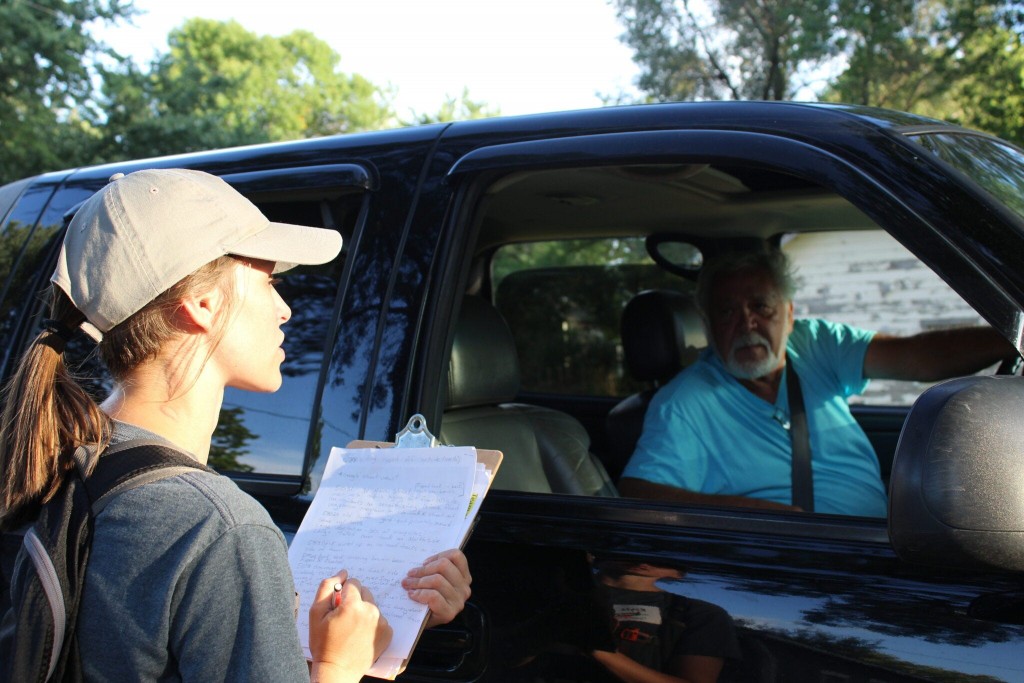
“We’re bringing them kind of a report of the history of winslow how the flood effected them where theyre currently at and researching examples such as Niobrara which was a town that looked at relocating after it was flooded”
Program Director and Professor Gordon Scholz says this project is good for students and the community.
“It gives them some sense of what a professional planners would be confronted with in a disaster situation like this so it provides a unique and valuable hands on experience,” Scholz says.
FEMA named Winslow as the number one highest-impacted places with the lowest capacity community after the floods.
Many residents are in favor of moving the town, because many basic utilities would not be able to reopen, forcing people to install water wells and septic tanks. Now, only three residents plan to stay.
Bill Whitney is in favor of moving the town. He says it would have more opportunity for growth. “If they move the town up on top of the hill and get some nice houses up there its probably going to be a draw to make the town bigger, more people moving in.”
Student Mariah Tobin says the project is the perfect mix of helping others and learning.
“A lot of the architecture studios, they’re very theoretical based, they don’t really have a specific site a or specific client but in this case we do have a client, a whole city, so being able to get on the ground and see this actual site and talk to the actual residents and what they’ve actually went through is really helpful and beneficial in designing and working on the project.”