Lincoln-Lancaster County explains measles discovery, and wastewater detections
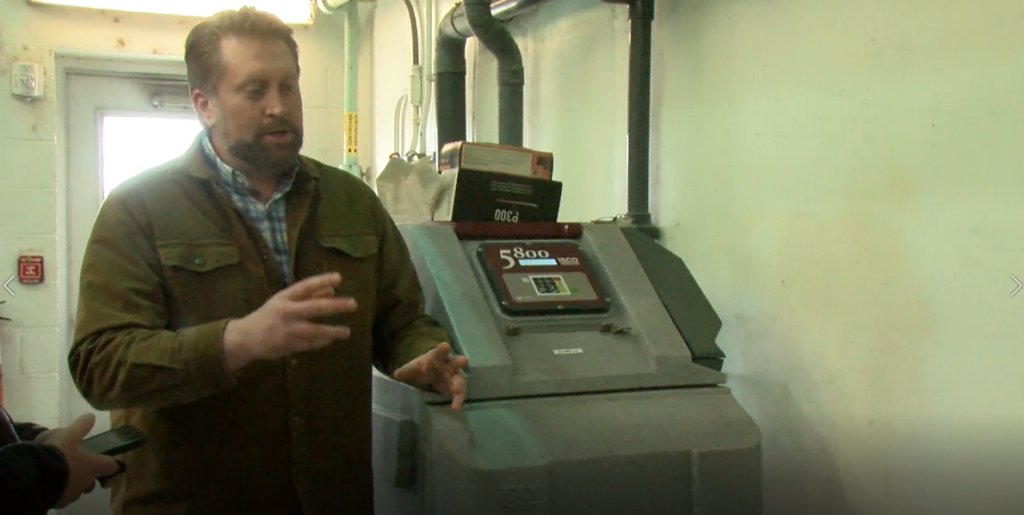
LINCOLN, Neb. (KLKN-TV) – Channel 8 got an up-close demonstration of how wastewater is sampled, collected, and tested on Wednesday.
Lincoln-Lancaster County gave a behind the scenes look at how they operate.
This comes as the county has seen three cases of measles detected in the wastewater, amid a nationwide outbreak. Lincoln Transportation Utilities said they’re taking every precaution.
“There are pathogens in the wastewater, so we always try and be safe,” said Tyler Cruthers, the Superintendent of Water Resource Recovery Facilities. “That’s always on the top of our minds.”
How is it done? Well, it’s through an automated sampling system, which processes up to 100 milliliters of water every 30 minutes, according to officials.
Then, 24 hours later those samples are collected and sent off to the lab to be tested, which takes about 3-5 business days to return.
Tommy George, an epidemiology supervisor says it wasn’t exactly unexpected for measles to be found in Lancaster County, but they’re set up to find for all kinds of diseases.
As for measles concerns in the community, where it came from remains unclear.
“Now that it’s detected, there’s more likely a case that has acquired it,” George said. “Maybe out of town, maybe here, you don’t know. All you know is they were excreting it through the wastewater.”
Before the national outbreak began, the wastewater scans did not look for measles. But it was added last May, and testing for diseases such as Covid, RSV and other contagions.
“So, when you’re testing for it in the wastewater, you’re seeing different of increasing levels of it,” said George. “There’s still a lot of research going on with this so it’s not super clear. They’re trying to better understand how vaccination rates tie to transmission in the wastewater.”
According to LTU, 25 million gallons of wastewater runs through this facility a day. They say their main mission is monitoring trends, and keeping the people of Lancaster County, safe.
“The main thing we do here is take pollutants out of the water, so that water can be reintroduced back into the environment,” said Cruthers. The people that work here have a strong environmental stewardship.”