Lincoln’s Local Food Challenge more than doubles participation
50 organizations spend over $694,000 on locally produced food
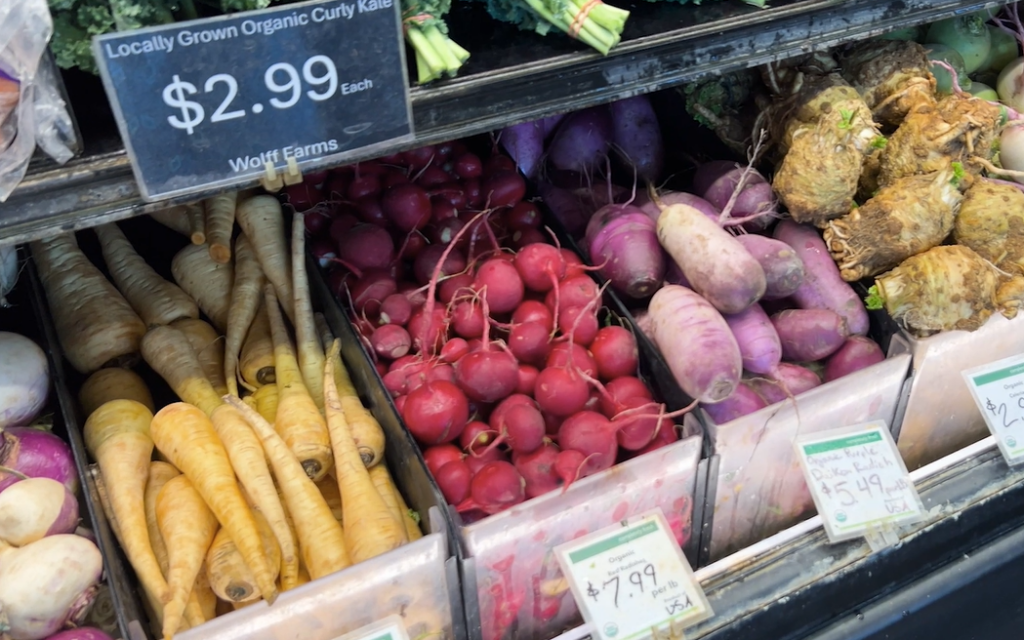
LINCOLN, Neb. (KLKN) — Lincoln’s effort to get more locally grown food into businesses and organizations is expanding, with participation in the city’s second annual Mayor’s Local Food Challenge more than doubling from last year.
Mayor Leirion Gaylor Baird joined community leaders at Open Harvest Co-op Grocery on Monday to announce the results of this year’s challenge, which encourages businesses, schools, restaurants and other organizations to purchase locally produced food.
Participation grew from 21 organizations last year to 50 this year. Together, those organizations placed 1,331 orders, spending more than $694,000 on food grown and produced within 250 miles of Lincoln.
“Those dollars supported 70 regional farmers and suppliers and helped strengthen a local food system that benefits all of us,” Gaylor Baird said.
Despite Nebraska being one of the nation’s top agricultural states, city officials say Lincoln still imports about 90% of the food it consumes.
The challenge aims to change that by connecting local producers with businesses and organizations looking to purchase more locally grown food.
“The challenge gives the participants an opportunity to differentiate themselves,” said Justin Jones, co-owner and general manager of Lone Tree Foods. “It gives them an opportunity to diversify their supply and make their food special.”
This year’s participants included restaurants, grocery stores, hospitals and nonprofits. Among them were Open Harvest, Hy-Vee, Bryan Health, CHI Health St. Elizabeth and several local restaurants.
The growing demand also creates more opportunities for regional farmers and food producers.
“That growth matters. It means more customers and stronger markets for farmers, more opportunities for small food businesses and more dollars staying in our local economy,” said Chloe Diegel, co-owner and farm manager of Robinette Farms.
The challenge ran from July 1 through Oct. 31, with participating organizations recognized at different commitment levels based on the number of local food orders they placed.
City officials say the program has also inspired a similar statewide initiative through the Nebraska Department of Education.
With participation growing, city leaders hope to continue building on that momentum and keep more food dollars in the local economy.