UPDATE: New recruits get experience with practice burn
UPDATE:
Firefighting is a rugged way to earn a paycheck.
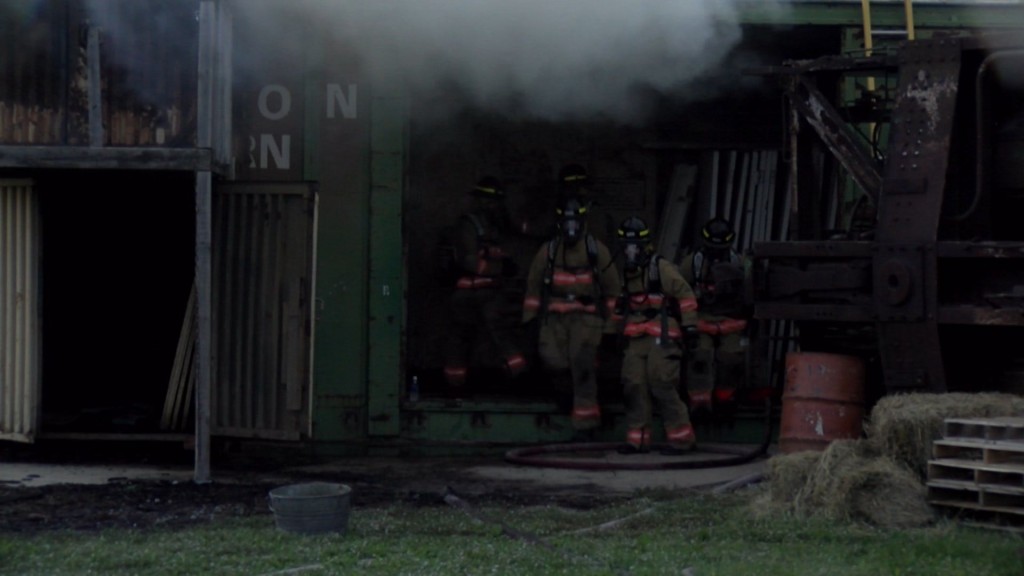
As Lincoln Fire and Rescue showed Channel 8 Eyewitness News Wednesday, there’s more to fighting fires than putting water on the flames. Firefighters also need a plan for how to approach it.
That’s what LFR said their new recruits worked on Wednesday.
“Not a lot of them have any fire experience,” said Battalion Chief Tim Linke. “And so in order to get the fire experience, we have these building blocks, which includes training in fire behavior and fire dynamics.”
The new class was out of the classroom and got first hand experience on how to read smoke and determine what stage a fire is in. It’s all part of learning the anatomy of a burning structure.
“We taught them some of the signs and symptoms of a change in fire conditions, whether it’s the smoke dropping down suddenly or whether it’s moving in a turbulent or extra buoyant manner,” Linke said.
LFR said that’s probably the best way to learn something : actually being part of it.
“You can sit in a classroom and read as much as you can out of a book,” said new recruit Luke Glesinger. “But until you’re able to get into one of these scenarios or an actual structural fire situation, it kind of takes what you’ve learned and put it into actual practicality.”
All while dealing with the dangers of heat, smoke, fatigue and disorientation. It fits their mantra of “getting comfortable with being uncomfortable.”
“It’s already warm to begin with, a little humid and then you go into a small, confined space and you’re sitting there with a fire that’s rolling over the top of you,” Glesinger said. “It gets pretty uncomfortable. And that’s something that we’re going to keep continuing on doing and it’s just going to get us used to it.”
Preparation for serving the city of Lincoln.
_____________________________________________________________________________
There’s more to fighting fires than putting water on the flames.
Firefighters also need a plan for how to approach it. That’s what new recruits worked on Wednesday at one of Lincoln Fire and Rescue’s training centers with a controlled fire scenario.
LFR said recruits got out of the classroom and got first hand experience on how to read smoke and determine what stage a fire is in. It’s all part of learning the anatomy of a burning structure.
“You can sit in a classroom and read as much as you can out of a book, but until you’re able to get into one of these scenarios or an actual structural fire situation, it kind of takes what you’ve learned and put it into actual practicality,” said LFR recruit Luke Glesinger. “And you see just all the stresses it has on your body and how hot it really is.”
Recruits also got experience dealing with the dangers of heat, smoke and fatigue.
One day, firefighters may have to save your home or business from a fire. This training is part of how they learn to do it


