A new way to deliver chemotherapy shows less side effects, comes to Nebraska
OMAHA, Neb. (KLKN) – More than 67,000 Americans are diagnosed with pancreatic cancer, or ‘the silent killer’, each year.
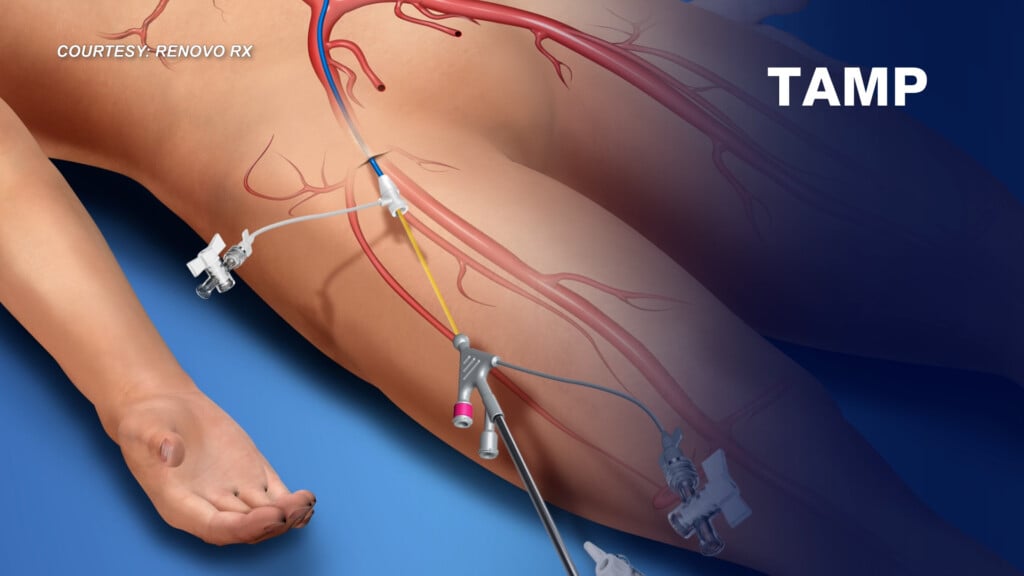
When diagnosed late, chemotherapy means a lot of nausea, vomiting and increased risk to infection, but thanks to the innovative process of TAMP, Trans-Arterial Micro-Perfusion, pancreatic cancer chemo patients may have less side effects.
The Renovo Cath device is making TAMP possible, by administering chemotherapy directly to the tumor instead of the entire body.
Patients receiving treatment this way report less pain, fatigue and therefore, have more time outside of their treatment cycle.
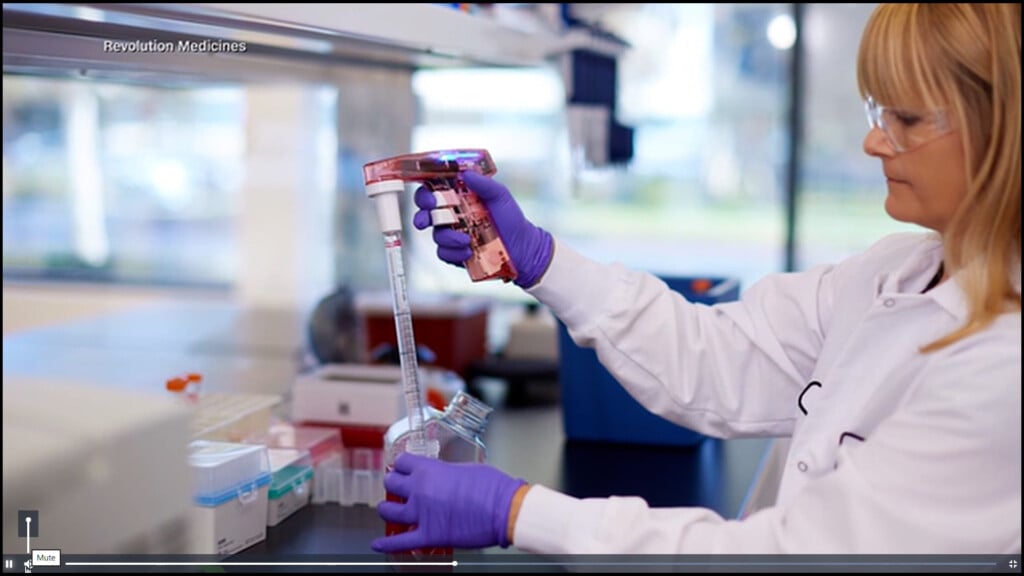
Dr. Ramtin Agah created the device and founded the company Renovo Rx.
He says this process is reducing the concentration of chemo administered by 50% and producing up to 60% less side effects.
“The way it started, it most always starts with the patient,” he said about coming up with the idea.
“Usually, it’s not that the drugs don’t work, the drugs don’t get into the tumor. If we have a way of isolating the blood vessel around the tumor and give it, most of it, goes there rather than going to other organs, the skin, the intestine, people can do more, they can tolerate more.”
He goes on to say, “So, unfortunately, if we cannot cure them, if we’re not prolonging life, whatever time they have, they can be more active and they can tolerate the treatment. That’s the number one thing that we’re seeing with this approach.”
After finishing its third trial, commercialization across the U.S. began, and in Nebraska, UNMC is the first hospital to use it.
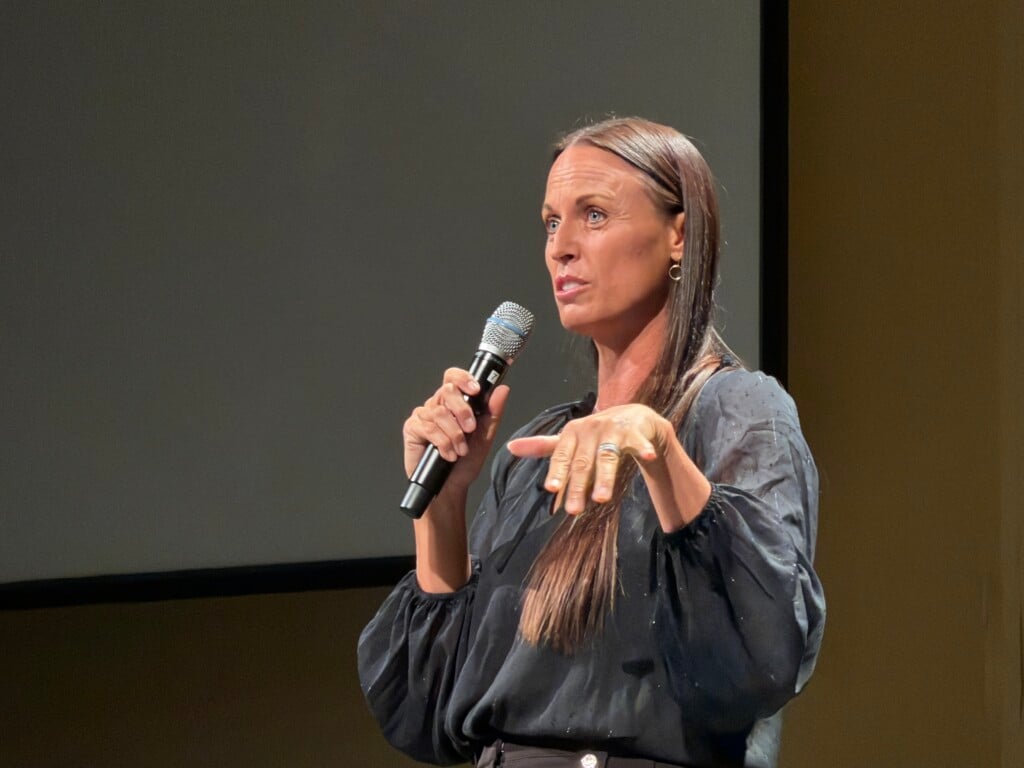
Dr. Kelsey Klute is a GI oncologist at the Fred and Pamela Buffett Cancer Center at Nebraska Medicine.
She says when she first heard of the new method it seemed too good to be true, but it has been truly working out.
Klute says her patients receiving TAMP are doing much better, and it gives hope for the future of how a variety of drugs are given.
“It’s something that I think we’re really excited about being able to do close to home,” she said.
“We know that any treatment that we give to treat cancer has side effects. Compared to patients who get assigned to be on the IV chemotherapy, the patients who are getting the chemotherapy through this catheter are really experiencing a lot less chemotherapy related toxicity.”
She adds that, “The biggest impact is probably on people’s blood counts and infection risk.”
But also, “fatigue, nausea, just generalized weakness are also things that we’re not seeing as much of it in people getting treated with the catheter.”
Dr. Klute says that the ideal candidates for this are those with localized tumors.
When asked about whether former Nebraska Senator Ben Sasse could use this treatment, Dr. Agah said his cancer has spread too much, but that Sasse is spreading hope by speaking about his experience.
“He’s been brave enough to talk about this cancer. A lot of times we have had a lot of people who are famous, but when they deal with this, they just kind of hunker down with their family, their friends, try to fight this battle quietly,” said Dr. Agah.
“You need people to talk about this and generate hope, and I think that is what he is doing.”
For any Nebraskans looking to be treated via TAMP, you can have your doctor inquire with UNMC.