Political anxiety can take a toll on mental health during election season
UNL professor explains how political engagement can affect well-being as Election Day approaches
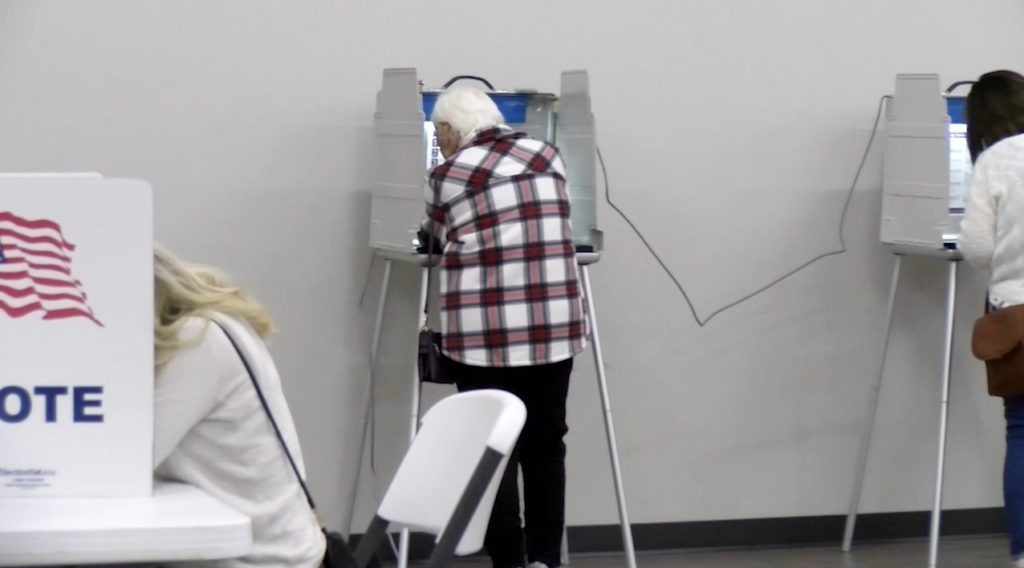
LINCOLN, Neb. (KLKN) — With Election Day just days away, political ads, social media and constant election coverage are hard to escape. For some people, that exposure can take a toll on their mental health.
University of Nebraska–Lincoln political science professor Kevin Smith has spent years researching how politics can affect people’s mental health, including how political anxiety differs from general anxiety.
“You can be someone who has a fairly high level of general anxiety and have fairly low political anxiety,” Smith said. “And you can also be somebody with pretty high political anxiety, but be very low in general anxiety.”
Smith’s research found that political anxiety and general anxiety are distinct, though related. His findings also show that people who pay closer attention to politics tend to experience greater political anxiety.
That relationship creates a challenge because political engagement is also an important part of democracy.
“Liberal democracy depends upon an attentive and engaged citizens,” Smith said. “And if paying attention and being engaged can literally make you sick, I mean, how do you navigate that trade-off?”
Political anxiety can have effects beyond feeling stressed about an election. Smith said it can interfere with sleep, strain personal relationships and affect both mental and physical health.
Warning signs include compulsively checking political news, repeatedly worrying about election outcomes or having difficulty keeping politics from dominating everyday thoughts.
And those effects don’t necessarily disappear once the election is over.
Smith said research has documented people experiencing heightened election-related anxiety anywhere from two weeks to five months after an election.
“A lot of people think that the election is going to be this sort of like cathartic moment when it’s sort of like, oh my God, we can all breathe a sigh of relief, stop paying attention to those ads and flop into the collective couch,” Smith said. “There’s a lot of research that suggests it just doesn’t work like that.”
For some people, anxiety may decrease after Election Day. For others, the outcome could make it worse.
While researchers are still working to understand how people can remain politically engaged without negatively affecting their well-being, Smith said limiting exposure to political information can help manage stress.
“It’s fine to check the headlines once or twice a day, read the newspaper, watch the evening news, or check in once or twice on your social media feeds, but limit it,” Smith said.
He also recommends taking a walk, spending time with loved ones or finding other activities that help take people’s minds off politics.
With Election Day approaching on Nov. 3, Smith said finding ways to manage political anxiety remains important, even after the votes are counted.