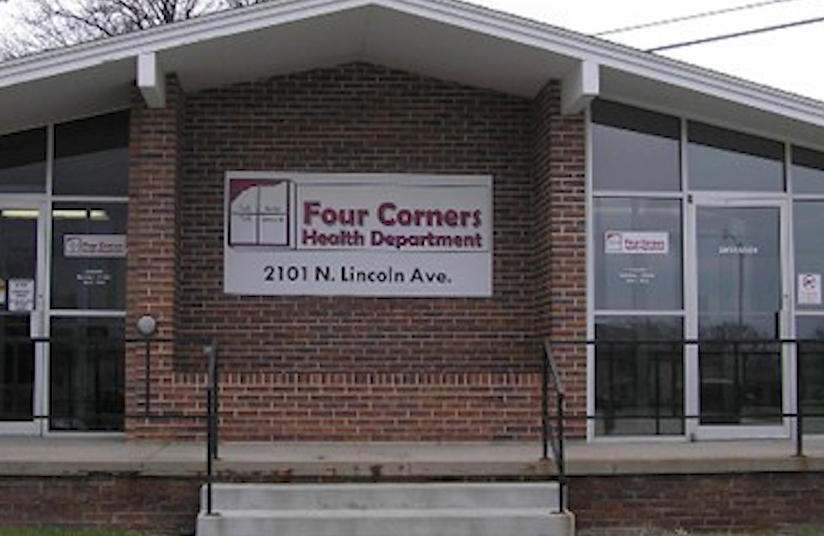
Expanding rural health care access: Federal funding helps four corners reach more residents
YORK, Neb. (KLKN) — More than $177 million in federal funding is being put to work to improve rural health care across Nebraska, including expanding services and hiring additional health care workers.
The funding is part of the Rural Health Transformation Program, a five-year initiative aimed at improving access to medical services, strengthening the health care workforce and bringing new technology to rural communities.
At Four Corners Health Department in York, the investment is already helping the organization reach more residents across York, Seward, Polk and Butler counties.
For years, Angel Dale was the department’s only community health worker, helping residents connect with medical care and other resources.
“I was the only community health worker before the funding, so I couldn’t help everyone,” Dale said.
Now, the department has hired 10 additional community health workers, expanding its ability to serve people across the four counties.
The new hires are among more than 200 community health worker and supervisor positions created statewide through the program.
Four Corners Executive Director Laura McDougall said the department is receiving approximately $1.3 million to expand its services.
“We just did not have the manpower, the workforce, to be able to connect with people in all four of our counties,” McDougall said.
Community health workers help residents overcome barriers to receiving care, including transportation challenges, insurance questions and difficulty accessing medical or mental health services.
Dale said those challenges often extend beyond a doctor’s appointment.
She recalled a woman who was referred to the department for health education. After speaking with her, staff discovered she was facing several other challenges.
“She didn’t have transportation. She didn’t have stable housing. She didn’t have money to buy medicine,” Dale said.
Dale said the additional workers have allowed Four Corners to offer more classes, assist with home visits and work directly with medical clinics.
“We can do a lot more. We have more classes. We see more people every day than we have before,” Dale said.
The funding is also supporting an expansion of dental services.
McDougall said Four Corners is providing preventive dental care in schools and facilities serving older adults, including screenings, fluoride treatments and sealants.
The department is also planning dental clinics where volunteer dentists could provide services such as fillings and tooth extractions to patients who might otherwise seek treatment in an emergency room.
While the department is already expanding its workforce and services, McDougall said it is still working to measure the long-term impact of the funding.
As part of the five-year initiative, Four Corners is collecting data on the number of residents receiving assistance and the services being provided.
For now, McDougall said the additional resources are allowing the department to connect with more people and address health care challenges that have long affected rural communities.